
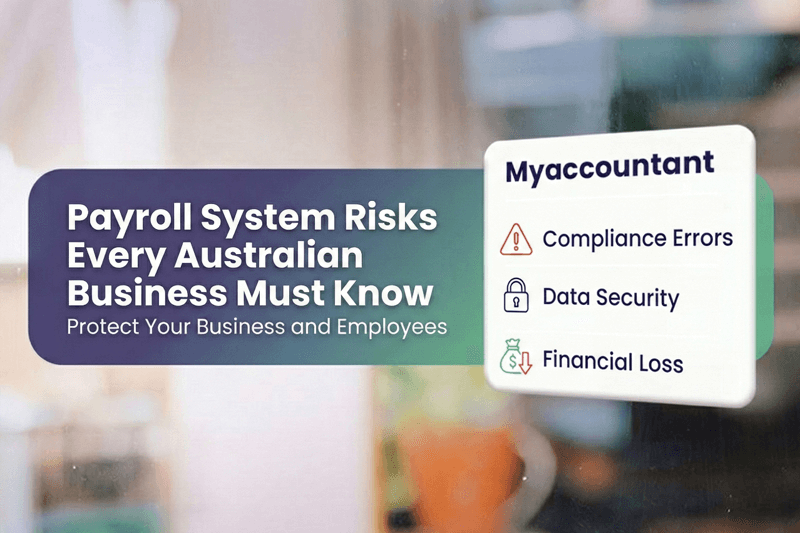
Updating or changing payroll systems can seem routine, but it carries significant risks for small and medium-sized businesses (SMBs) in Australia. Errors, missed compliance requirements, or inefficient processes can impact cash flow, employee trust, and overall operations.
In this blog, we will explore the key risks businesses face when updating or switching payroll systems and outline strategies to manage them.
Why Payroll Systems Are Critical for Your Business
Payroll systems are the backbone of any business, handling everything from wage calculations to superannuation contributions and tax reporting. For small and medium-sized businesses (SMBs), an efficient system ensures timely payments, accurate reporting, and compliance with Australian regulations.
Beyond compliance, payroll systems influence employee satisfaction and trust. Errors or delays can disrupt morale and create administrative headaches. Choosing the right system and managing it properly helps businesses maintain smooth operations while supporting business financial planning and long-term growth.
Top Payroll System Risks Businesses Face
Risk of Non-Compliance
Payroll errors or delays can lead to breaches of tax, superannuation, and reporting obligations. Businesses relying on outdated systems may struggle to keep up with changing regulations, increasing the likelihood of penalties. Maintaining Australian payroll compliance is essential to protect your business from costly fines and reputational damage.
Risk of Inaccurate Payroll
Manual processes or poorly integrated systems can result in incorrect wage calculations, missed deductions, or late payments. Such errors can disrupt employee trust and generate disputes. Conducting a thorough assessment of current processes helps identify weaknesses and strengthens payroll management systems.
Risk of Poor Financial Planning
Inaccurate or delayed payroll data affects cash flow forecasts and budgeting. Businesses that underestimate payroll obligations may face unexpected shortfalls, which can harm operational stability. Selecting a system that provides accurate real-time reporting supports better business financial planning and avoids unnecessary surprises.
Risk During System Transition
Changing payroll systems can create errors if staff are not trained properly or if the migration of historical data is mishandled. Without careful planning, businesses may experience missed payments or reporting mistakes. Investing in employee training and structured transition planning ensures adherence to compliance requirements.
Risk of Employee Dissatisfaction
Payroll mistakes or delays can lead to frustration and decreased morale among employees. Accurate, timely, and transparent payroll processes are critical for maintaining trust. Proper system implementation and oversight contribute to higher employee satisfaction and can reduce turnover.
Risk of Missing Long-Term Benefits
Focusing only on immediate compliance may overlook opportunities for efficiency and strategic advantage. Modern payroll systems can automate reporting, integrate with accounting, and support superannuation contributions. Leveraging these features can enhance retirement planning benefits for employees and streamline administrative workload for management.
Mitigating Payroll System Risks
To reduce risks, businesses should plan carefully before switching systems. This includes reviewing existing processes, selecting the right software, testing data migration, and providing thorough staff training. Professional guidance from accountants or payroll specialists can help ensure compliance, reduce errors, and protect business operations.
Conclusion
Payroll system risks can affect every aspect of an Australian business, from compliance to employee trust and financial management. By understanding these risks and taking proactive steps, businesses can safeguard operations, improve efficiency, and maintain confidence among their workforce.
Stay ahead of payroll challenges with MyPayroll from myaccountant.com.au. Built for Australian businesses, the system helps manage payroll efficiently, automate processes, and keep employee payments accurate and on time, while also allowing you to migrate payroll from Xero, Payroller, and more in just a few clicks.



.png)

